
Skilled craftsmanship that honors your property’s legacy
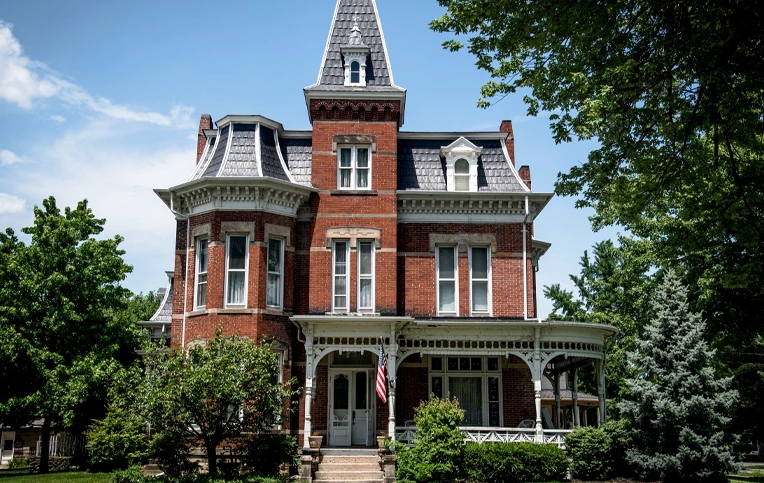
At Cassel Contriving, we specialize in historical masonry restoration with a deep respect for craftsmanship and authenticity. Whether preserving a century-old home in Northern Ohio, repairing heritage brick, or creating custom features that blend seamlessly, our skilled artisans honor your building’s original character and ensure lasting durability.
Our comprehensive historical masonry restoration services include:
- Lime Mortar Selection & Traditional Preparation: We use authentic lime-based mortars—Natural Hydraulic Lime (NHL) grades 2, 3.5, or 5 for exposed areas, and high-calcium hydrated lime for sheltered work—prepared with time-honored methods like hot-mix or aged putty. These breathable, flexible mortars allow walls to “breathe,” accommodate movement, and wick moisture outward, protecting softer historic units. A standout benefit is lime’s self-healing: minor cracks naturally repair over time as moisture dissolves calcium compounds and re-precipitates them as calcium carbonate, sealing hairline fissures and extending joint life.
- Avoiding Portland Cement Damage & Ensuring Compatibility: Portland cement mortars are rigid and impermeable, trapping moisture in historic walls and causing spalling, efflorescence, or accelerated decay in softer pre-1900s brick and stone. Lime mortars, being softer and more permeable, act as the sacrificial element—preventing damage while self-healing micro-cracks through ongoing carbonation. This proven compatibility follows preservation standards, maintaining the building’s natural behavior.
- Proper Repointing, Tuckpointing & Traditional Tooling: We remove deteriorated mortar by hand, clean gently, and reapply matching lime mortar, replicating original joint profiles, depths, and tooling styles for authentic appearance. NHL or hot-mix lime provides breathability, flexibility, and self-healing to address minor settlement cracks naturally. This careful, old-world process preserves historical charm and prevents future issues from power tools or harsh methods.
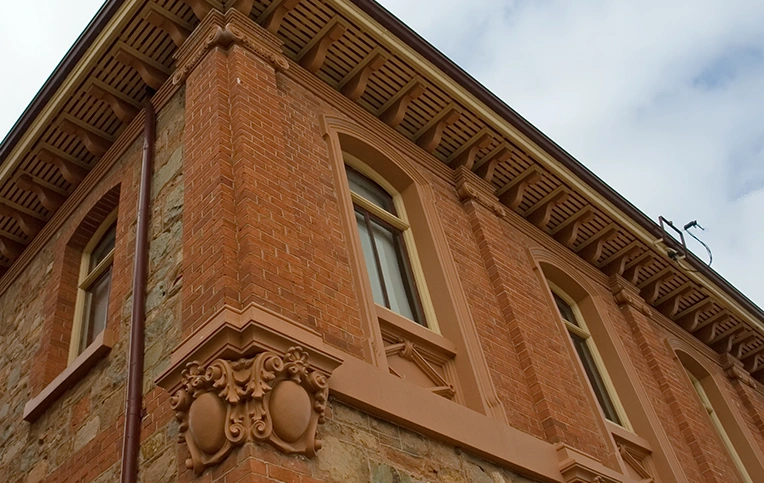
- Sourcing & Matching Original Materials: Authenticity requires close matches in color, texture, size, composition, and weathering properties. We source salvaged or reclaimed brick and stone from deconstructed historic structures, or select compatible materials from appropriate quarries and suppliers. When exact matches are unavailable, we carefully choose substitutes that align in key properties to avoid visual disruption or differential weathering. This in-kind approach, favored by preservation guidelines, sustains historical value and promotes material reuse.
- Natural Stone & Historic Brick Preservation: We handle soft-fired brick, fieldstone, limestone, and rubble with gentle traditional techniques—hand removal of failed units, lime-based consolidation, lime washing, and matched replacements. This preserves tool marks, patina, and texture while preventing erosion. Lime’s self-healing aids minor surface or joint damage, maintaining the building’s generational character.
- Mortar Testing & Analysis for Precise Matching: We test your existing historic mortar through careful, minimally invasive sampling to determine the original binder type, proportions, aggregates, and any previous repairs. This analysis gives us the exact information needed to create a matching lime mortar mix that ensures compatibility, visual harmony, and full self-healing benefits. Testing removes guesswork and guarantees the restoration meets the highest preservation standards.
- Material Compatibility Assessment, Consultation & Sustainable Practices: We begin with thorough site evaluations, mortar testing, and historical research to recommend ideal solutions. Clients receive education, samples, and test insights on why lime outperforms cement—including breathability, flexibility, and self-healing. By using natural limes, salvaged materials, and traditional methods, we deliver sustainable, authentic restorations that preserve significance for generations.
- Custom Masonry Features & Aesthetic Matching: For new additions, decorative elements, or features that need to blend perfectly with existing historic masonry—or to achieve a specific vintage aesthetic—we craft custom work using salvaged historic brick/stone or precisely matched alternatives. This includes custom veneers, accent walls, chimneys, arches, or landscape features built with traditional techniques and lime mortar for seamless integration. We focus on color, texture, scale, and weathering compatibility to create harmonious results that enhance rather than compete with the original structure, delivering timeless character and professional craftsmanship.
Whether addressing failing joints on a Victorian home, restoring a limestone foundation, repointing a colonial chimney, sourcing matching materials with precise testing, or building custom features that honor the past, Cassel Contriving protects and enhances your historic masonry with professional expertise and care.

Frequently Asked Questions
Why is lime mortar preferred over Portland cement for historic buildings?
Lime mortar is softer, more flexible, and breathable, allowing moisture to escape and walls to move naturally without damaging softer historic brick or stone. Portland cement is rigid and traps moisture, often leading to spalling, cracking, or accelerated decay. Using the right lime-based mortar protects the original units long-term and follows preservation best practices.
What is “self-healing” in lime mortar, and does it really work?
Lime mortar can naturally repair minor hairline cracks over time through ongoing carbonation: moisture dissolves calcium compounds, which then re-precipitate as calcium carbonate to seal small fissures. This autogenous healing is most effective for micro-cracks from normal settlement or weathering, extending joint life significantly—especially in Ohio’s variable climate.
How do you ensure the new mortar matches the original?
We start with careful mortar testing (via sampling) to analyze the original binder, proportions, and aggregates. This data guides custom lime mixes that match in strength, permeability, color, and texture—ensuring compatibility, visual harmony, and optimal performance without guesswork.
Will repointing change the look of my building?
When done correctly with matching materials and traditional tooling, repointing restores the original appearance—replicating joint profiles, depths, and subtle irregularities for an authentic, seamless result. Poor matches or modern methods can stand out; our focus on precision preserves historical charm.
How long does historical masonry restoration last?
With proper lime-based materials, compatible mixes, and expert execution, repointed joints typically last 30–50 years or more—far outlasting mismatched cement repairs (often 10–15 years). The self-healing and breathability of lime further reduce future maintenance needs.
Is this work expensive or disruptive?
Costs vary by scope, but investing in correct materials and techniques prevents costly damage down the line (e.g., replacing spalled bricks). We minimize disruption with hand methods and phased work; thorough assessments and consultations help plan efficiently.
Do you follow official preservation guidelines?
Yes—our approach aligns with standards like those from the National Park Service and Secretary of the Interior’s guidelines, emphasizing in-kind repairs, compatibility, and minimal intervention to preserve authenticity and structural integrity.
Hear from our satisfied customers
"The nature of the job required some technical challenges, including working with large equipment in a downtown space, collaborating with city utilities, working on a historic building (keeping historic integrity in mind while dealing with old-building problems), and most of all scaling and sealing a challenging brick corner that needed re-tucked and sealed ASAP. The crew cleaned up and left without a trace. The time from my reaching out to having the job complete was impressive. This up-and-coming contractor has impeccable character and is a breath of fresh air to those of us who've had shyster, egocentric, and overpriced contractors, that sometimes seem the norm. Thus, CC will continue to be our go-to mason for our properties."
"Cassel Contriving exceeded our expectations on two tuck point projects he completed for our Village. Hunter provided great communication before, during and after the project."
– Brian R.